
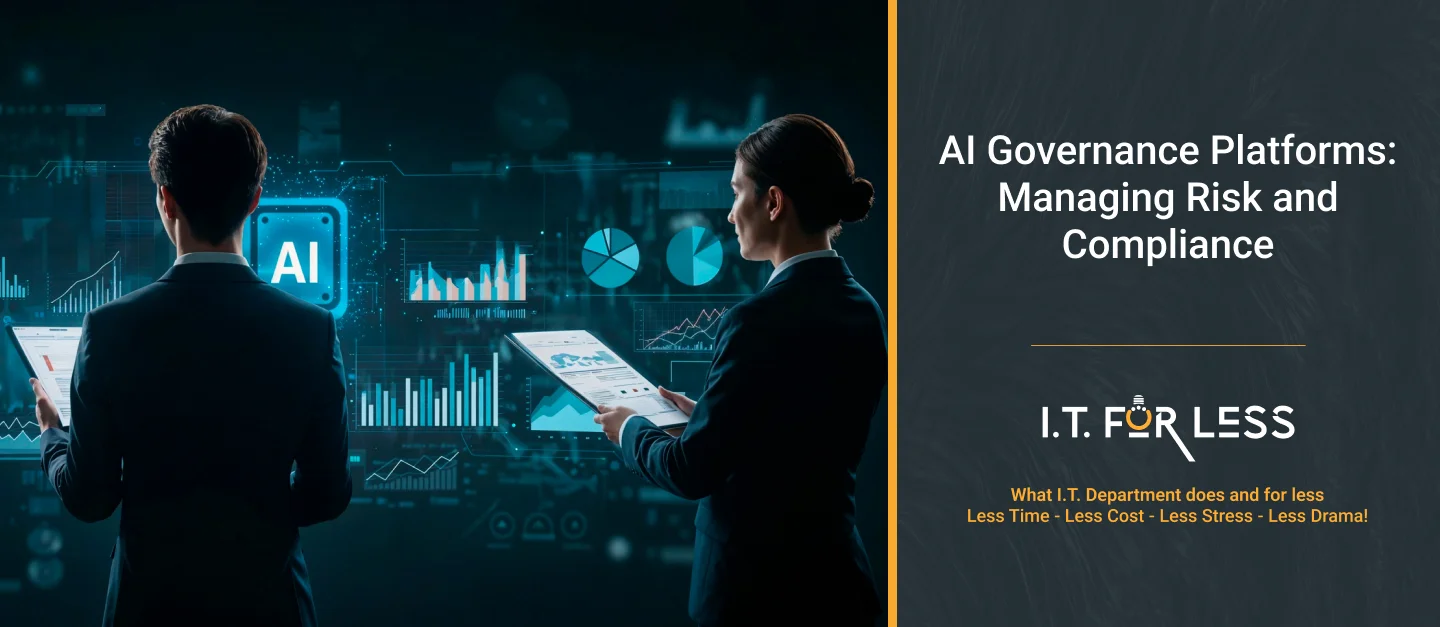

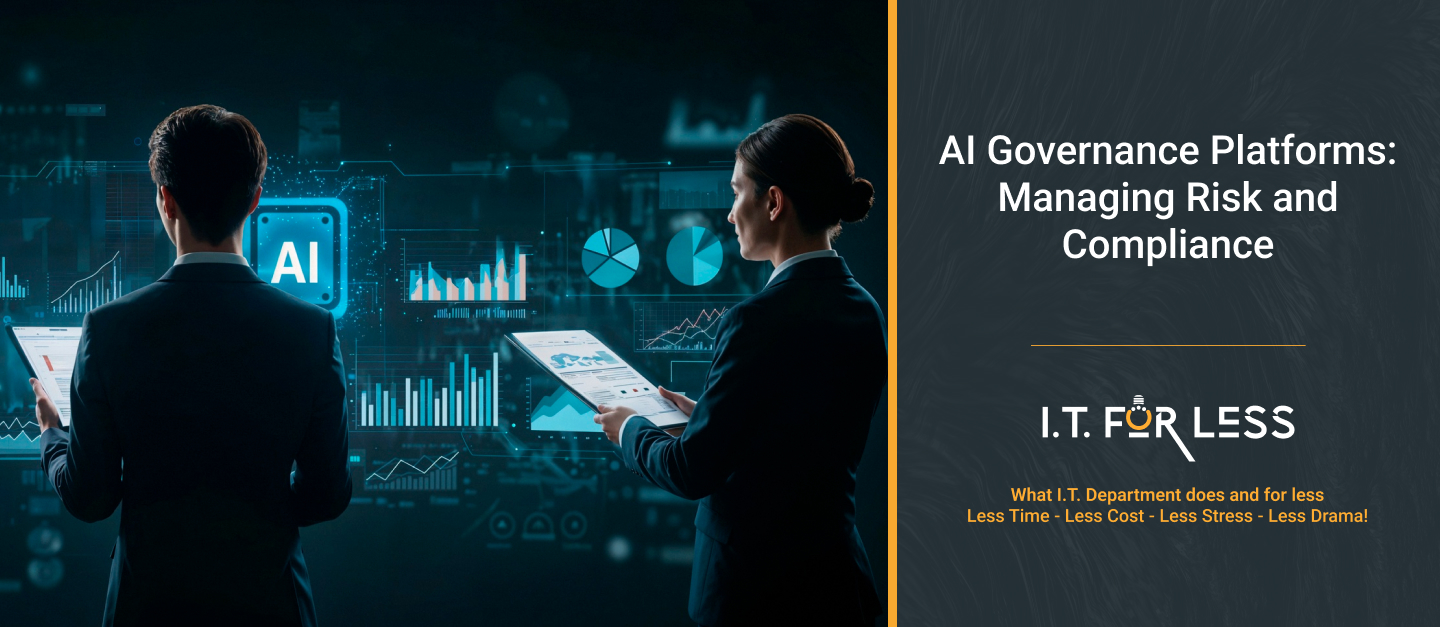
Artificial Intelligence (AI) is rapidly transforming how businesses operate, make decisions, and serve customers. From automating workflows and analyzing large datasets to powering chatbots and predictive analytics, AI is becoming a core component of modern business strategy. However, as AI adoption grows, so do concerns around data privacy, security, regulatory compliance, bias, transparency, and accountability. In this context, AI Governance Platforms: Managing Risk and Compliance in the Age of Artificial Intelligence has become a key topic for organisations looking to responsibly harness the power of AI.
Organizations can no longer focus solely on implementing AI—they must also ensure it is used responsibly and in compliance with evolving regulations. This is where AI governance platforms play a critical role.
AI governance platforms help businesses manage AI risk, ensure regulatory compliance, monitor model performance, and establish responsible AI practices. As governments and industry regulators introduce new AI-related laws and standards, effective AI governance is becoming essential for organizations of all sizes.
What Is AI Governance?
AI governance refers to the policies, processes, technologies, and frameworks organizations use to ensure Artificial Intelligence systems operate responsibly, ethically, securely, and in compliance with regulations.
The primary goals of AI governance include:
- Managing AI-related risks
- Ensuring regulatory compliance
- Protecting sensitive data
- Monitoring AI model performance
- Reducing bias and discrimination
- Increasing transparency and accountability
- Supporting ethical AI adoption
AI governance helps organizations balance innovation with responsibility.
Why AI Governance Matters
As businesses integrate AI into critical operations, governance becomes increasingly important.
Without proper oversight, AI systems can create risks such as:
- Data privacy violations
- Regulatory non-compliance
- Biased decision-making
- Security vulnerabilities
- Lack of transparency
- Reputational damage
Strong governance frameworks help organizations mitigate these risks while maintaining trust among customers, employees, and stakeholders.
What Are AI Governance Platforms?
AI governance platforms are specialized tools designed to help organizations monitor, manage, and control AI systems throughout their lifecycle.
These platforms provide visibility into:
- AI model development
- Data usage
- Compliance requirements
- Risk management
- Model performance
- Ethical AI standards
They allow organizations to deploy AI confidently while maintaining compliance and operational control.
Key Features of AI Governance Platforms
AI Risk Management
One of the primary functions of AI governance platforms is identifying and mitigating risk.
These platforms help organizations:
- Assess model risks
- Monitor AI outputs
- Identify anomalies
- Evaluate decision accuracy
- Track model drift
Continuous monitoring helps reduce operational and compliance risks.
Compliance Management
Governments worldwide are introducing regulations related to Artificial Intelligence.
AI governance solutions help organizations comply with standards such as:
- EU AI Act
- GDPR
- HIPAA
- ISO AI standards
- Industry-specific regulations
Compliance tracking reduces legal and regulatory exposure.
Data Governance and Privacy Controls
AI systems rely heavily on data.
Governance platforms help businesses:
- Monitor data usage
- Track data sources
- Enforce privacy policies
- Manage sensitive information
- Support regulatory compliance
Strong data governance is essential for trustworthy AI.
Model Monitoring and Lifecycle Management
AI models require ongoing oversight after deployment.
Governance platforms provide:
- Performance tracking
- Accuracy monitoring
- Model version control
- Audit trails
- Change management
This ensures AI systems remain reliable and effective over time.
Bias Detection and Fairness Monitoring
One of the most significant concerns surrounding AI is bias.
Governance platforms help organizations:
- Detect bias in models
- Evaluate fairness metrics
- Monitor decision outcomes
- Improve transparency
These capabilities support ethical AI implementation.
Why Businesses Need AI Governance Platforms
Organizations are increasingly using AI for:
- Customer service
- Financial forecasting
- Recruitment
- Cybersecurity
- Healthcare decisions
- Supply chain management
As AI becomes more influential, governance becomes critical for ensuring decisions are accurate, explainable, and compliant.
Benefits include:
- Reduced business risk
- Improved regulatory compliance
- Enhanced security
- Greater transparency
- Increased stakeholder trust
- Better decision-making
Popular AI Governance Platforms
Several technology providers offer AI governance solutions.
Microsoft Responsible AI
Microsoft provides tools that support:
- Model transparency
- Fairness assessments
- Risk management
- Compliance monitoring
These capabilities integrate with Microsoft’s broader AI ecosystem.
IBM watsonx.governance
IBM’s governance platform focuses on:
- AI lifecycle management
- Risk assessment
- Compliance tracking
- Model monitoring
It is widely used in highly regulated industries.
Google Cloud AI Governance Solutions
Google offers tools for:
- Explainable AI
- Data governance
- Compliance management
- Responsible AI development
These solutions help organizations deploy AI responsibly.
ServiceNow AI Governance
ServiceNow helps businesses:
- Track AI usage
- Manage risks
- Monitor compliance
- Automate governance workflows
Its platform is particularly useful for enterprise governance initiatives.
AI Governance vs Traditional IT Governance
| Traditional IT Governance | AI Governance |
| Focuses on IT systems | Focuses on AI systems and models |
| Infrastructure management | Model management and monitoring |
| Security and compliance | Ethics, fairness, compliance, and transparency |
| Policy enforcement | AI lifecycle oversight |
| Operational controls | AI risk management |
While related, AI governance introduces unique challenges that traditional IT governance frameworks may not fully address.
Key AI Risks Organizations Must Manage
Regulatory Risk
AI regulations continue evolving worldwide.
Organizations must ensure compliance with changing legal requirements.
Data Privacy Risk
AI systems often process large amounts of sensitive information.
Improper data handling can lead to compliance violations and financial penalties.
Bias and Fairness Risk
Biased AI outputs can negatively impact customers, employees, and business decisions.
Security Risk
AI systems may become targets for cyberattacks, manipulation, or unauthorized access.
Reputational Risk
AI-related incidents can damage customer trust and brand reputation.
Governance platforms help reduce these risks through continuous oversight.
Best Practices for AI Governance
Organizations implementing AI should:
Establish Clear Governance Policies
Define rules for AI development, deployment, and monitoring.
Create Accountability Structures
Assign responsibility for AI oversight and decision-making.
Conduct Regular Risk Assessments
Evaluate potential risks before deploying AI systems.
Monitor AI Performance Continuously
Track accuracy, fairness, and reliability.
Prioritize Transparency
Ensure stakeholders understand how AI systems make decisions.
Align with Regulatory Requirements
Stay informed about evolving AI regulations and compliance obligations.
The Future of AI Governance
As Artificial Intelligence adoption accelerates, governance will become increasingly important.
Future trends include:
- Automated AI compliance monitoring
- Real-time risk assessment
- Global AI regulatory frameworks
- Explainable AI technologies
- Responsible AI certification programs
- AI governance automation
Organizations that invest in governance today will be better prepared for future regulatory and operational challenges.
How AI Governance Supports Digital Transformation
Digital transformation initiatives increasingly depend on AI-driven technologies.
Effective governance ensures organizations can:
- Scale AI safely
- Reduce compliance risks
- Protect sensitive data
- Build stakeholder trust
- Accelerate innovation responsibly
Without governance, AI adoption can create significant operational and legal challenges.
How I.T. For Less Helps Businesses Navigate Emerging Technologies
At I.T. For Less, we help organizations successfully adopt emerging technologies while maintaining security, compliance, and operational excellence. Through strategic IT consulting, cybersecurity services, cloud management, risk assessments, and technology planning, we help businesses implement governance frameworks that support responsible innovation and long-term growth.
Our team works closely with organizations to align technology investments with business goals while minimizing risk and ensuring compliance in an increasingly complex digital landscape.
Final Thoughts
AI governance platforms are becoming a critical component of modern technology strategies. As Artificial Intelligence continues to influence business decisions, organizations must establish frameworks that ensure transparency, accountability, compliance, and security.
By investing in AI governance, businesses can confidently leverage the power of AI while managing risk, protecting sensitive data, and maintaining compliance with evolving regulations. Organizations that prioritize responsible AI adoption today will be better positioned to innovate, compete, and succeed in the future digital economy.